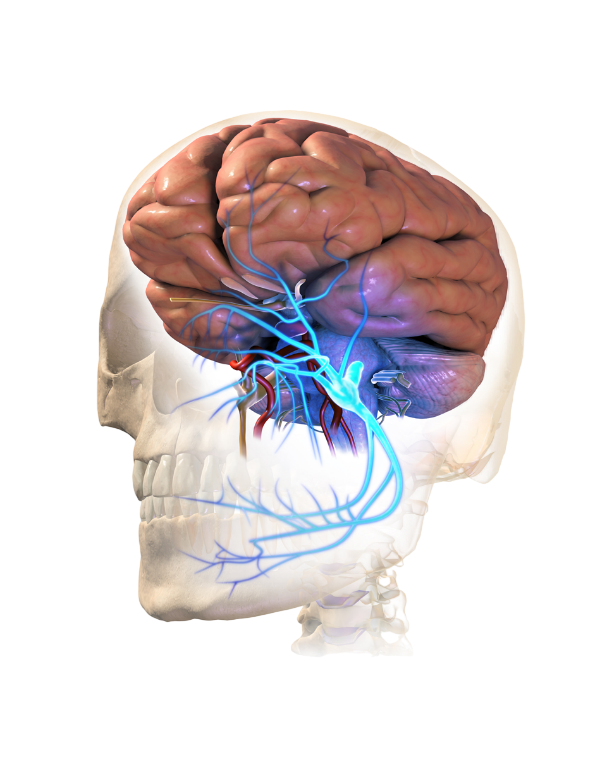
Trigeminal neuralgia is a nerve condition that causes sudden, severe, electric shock-like pain in the face. It occurs when the trigeminal nerve, which carries sensation from the face to the brain, becomes irritated or compressed.
Dr. Moin Islam evaluates patients with facial nerve pain and recommends suitable treatment based on the diagnosis. Treatment may include medication or surgical procedures when necessary, depending on the severity of symptoms and the patient’s response to treatment.
Warning Signs of a Trigeminal Neuralgia
Sudden Facial Pain: Sharp, electric-shock-like pain on one side of the face.
Pain Triggered by Touch: Facial pain triggered by touching or washing the face.
Pain While Chewing: Sudden pain while eating, chewing, or swallowing.
Pain While Brushing Teeth: Facial pain triggered by brushing teeth or other oral hygiene activities.
Pain During Speaking: Brief, intense facial pain while talking or smiling.
Repeated Pain Attacks: Recurring episodes of severe facial pain that last seconds to minutes.
Types of Trigeminal Neuralgia
Classical Trigeminal Neuralgia
Secondary Trigeminal Neuralgia
Idiopathic Trigeminal Neuralgia
Typical Trigeminal Neuralgia
Atypical Trigeminal Neuralgia
Trigeminal Neuralgia with Continuous Pain
Frequently Asked Questions
What is trigeminal neuralgia?
Trigeminal neuralgia is a nerve condition that causes sudden, severe, electric-shock-like pain in the face.
What causes trigeminal neuralgia?
It is often caused by a blood vessel pressing on the trigeminal nerve. Other causes include multiple sclerosis and, rarely, tumors.
What are the common symptoms of trigeminal neuralgia?
Symptoms include sudden facial pain triggered by touching the face, chewing, brushing teeth, speaking, or washing.
Can trigeminal neuralgia be treated without surgery?
Yes. Medication is usually the first treatment. Surgery may be considered when medication does not provide adequate relief.
When should I consult a neurosurgeon for trigeminal neuralgia?
Consult a neurosurgeon if facial pain is severe, recurring, or not improving with medication. A medical evaluation can help determine the cause and suitable treatment.