
Hydrocephalus
What is a Hydrcephalus ?
Hydrocephalus occurs when excess cerebrospinal fluid (CSF) builds up in the brain, increasing pressure. It can affect newborns, children, and adults due to various underlying causes.
Dr. Moin Islam evaluates patients with hydrocephalus and recommends suitable treatment, which may include VP shunt surgery or endoscopic third ventriculostomy (ETV), depending on the patient’s age, condition, and cause of fluid buildup.
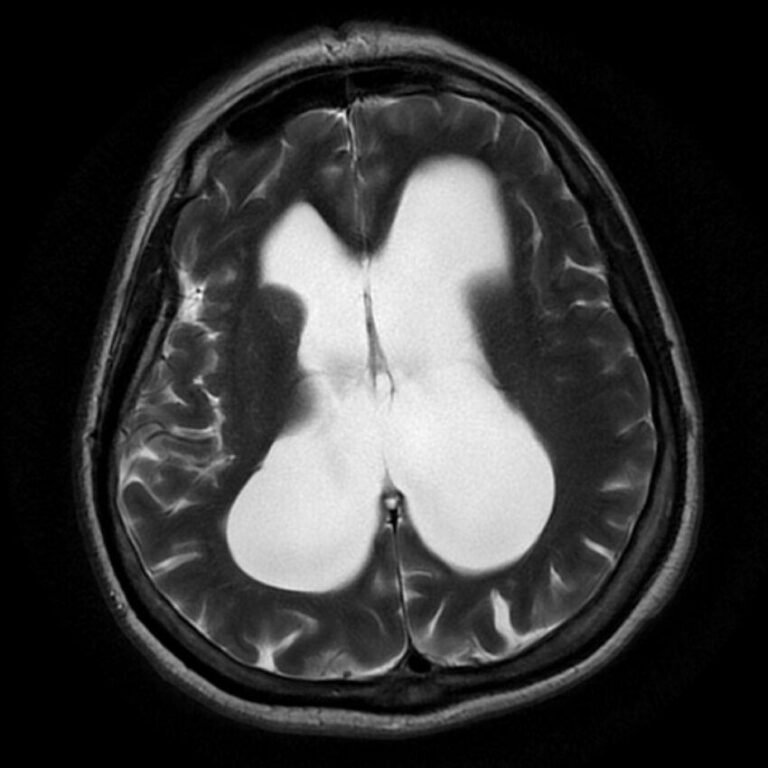
Symptoms That May Indicate Surgery Is Needed
- Urinary incontinence (classic triad of Normal Pressure Hydrocephalus)
- Rapidly growing head circumference in infants
- Bulging or tense fontanelle (soft spot)
- Blurred or double vision, papilledema on eye exam
- Irritability, poor feeding, and lethargy in infants
- New-onset seizures in children
Types & Causes of Hydrocephalus
- Congenital (present at birth)
- Post-hemorrhagic (after a brain bleed, common in premature infants)
- Post-infectious (after meningitis or ventriculitis)
- Aqueductal stenosis
- Normal Pressure Hydrocephalus (elderly)
- Idiopathic (no identifiable cause)