Spine Surgery

What is Spine Surgery ?

Spine surgery involves surgical procedures used to treat conditions affecting the spine, discs, nerves, and spinal cord. It may be recommended for conditions such as herniated discs, sciatica, spinal stenosis, and spinal instability when other treatments are insufficient.

Dr. Moin Islam is a neurosurgeon who evaluates and treats brain and spine conditions. Depending on the patient’s diagnosis, treatment may involve decompression surgery, spinal fusion, or minimally invasive and endoscopic techniques.

The most suitable treatment depends on the patient’s symptoms, MRI findings, and clinical examination. Dr. Moin Islam aims to recommend an appropriate treatment approach based on each patient’s individual condition.
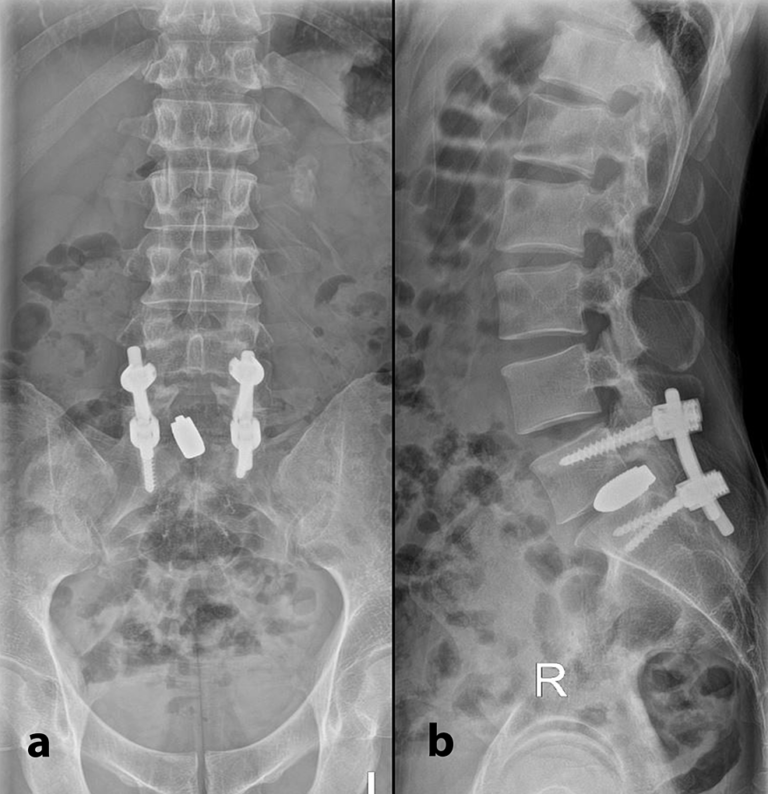
article river b5027950a5b311ecbfcc353cfee22dbb figure 1

Warning Signs of a Spine Surgery

  • Severe back or neck pain not responding to 6–12 weeks of treatment
     
  • Leg pain, numbness, or tingling running below the knee (sciatica/radiculopathy)
     
  • Arm pain, numbness, or weakness from a cervical disc problem
     
  • Weakness in the arms or legs due to nerve or spinal cord compression
     
  • Inability to walk more than a short distance without pain (neurogenic claudication from stenosis)
     
  • Spinal instability, a slipped vertebra, or spine that has become deformed
     

Spinal Conditions Treated Under 'Spine Surgery'

  • Herniated / Slipped Disc — lumbar or cervical, the most common reason for spine surgery
     
  • Spinal Stenosis — narrowing of the spinal canal; see our dedicated Spinal Stenosis page
     
  • Spinal Cord & Column Tumors — benign or malignant growths compressing neural elements
     
  • Cervical Myelopathy — spinal cord compression in the neck
     
  • Spinal Fractures & Trauma — from accidents or osteoporosis
     
  • Degenerative Disc Disease — wear-related disc breakdown causing chronic pain
     

Frequently Asked Questions

What is the difference between spine surgery and back surgery?
"Back surgery" is often used loosely by patients to mean any operation on the lower back, while "spine surgery" is the broader medical term covering the entire spinal column — cervical (neck), thoracic (mid-back), and lumbar (lower back). In practice, most "back surgery" refers to lumbar spine surgery — one part of the wider spine surgery category.
The specific procedure depends on your diagnosis, which is determined through MRI or X ray findings and a clinical examination. A herniated disc without spinal instability may require a microdiscectomy or endoscopic discectomy, while an unstable or slipped vertebra may require spinal fusion. Dr. Moin Islam evaluates each patient's condition individually to recommend the most appropriate treatment. Book a consultation to have your scans assessed.
Decompression alone (microdiscectomy, laminectomy, endoscopic surgery) is usually sufficient when a disc or bone is simply pressing on a nerve, with no underlying instability. Fusion is added only when there is genuine instability — such as a slipped vertebra (spondylolisthesis) or abnormal movement seen on flexion-extension X-rays. This is one of the most important decisions in spine surgery, and it should never be made without a personalised imaging review.
Success rates vary by procedure and condition, but well-selected patients undergoing decompression for disc herniation or stenosis typically see substantial relief of leg or arm pain, and fusion for genuine instability has a strong track record for stabilising the spine and relieving associated nerve pain. Outcomes depend heavily on correct diagnosis, patient selection, and surgical technique — which is why Dr. Moin Islam emphasises careful assessment before recommending surgery.
Endoscopic and other minimally invasive techniques offer smaller incisions, less muscle damage, and faster recovery, and are suitable for many single-level disc and stenosis cases. Open surgery may still be preferred for complex, multi-level, revision, or deformity cases where wider access is needed. Dr. Moin Islam will advise which approach is appropriate based on your MRI findings — see our Endoscopic vs Open Spine Surgery comparison for more detail.
Yes. Modern spine surgery is very safe when performed by a trained neurosurgeon using appropriate imaging guidance and surgical technique. Dr. Moin Islam is an FCPS Neurosurgeon experienced across the full range of spine procedures at Health Bridge Hospital, Lahore.
Many spinal conditions — including most disc herniations — improve with physiotherapy, pain management, and time. Surgery is recommended only when conservative treatment has genuinely failed after 6–12 weeks, or when there is significant or progressive neurological risk, such as worsening weakness or loss of bladder/bowel control.
Cost varies significantly depending on the specific procedure (decompression vs fusion), number of levels involved, implants required, and length of hospital stay. For a proper breakdown by procedure type, see our dedicated Spine Surgery Cost in Lahore page, or call 0370 7348400 for an estimate based on your specific case.
Scroll to Top