Minimally Invasive Surgery
What is Minimally Invasive Neurosurgery?
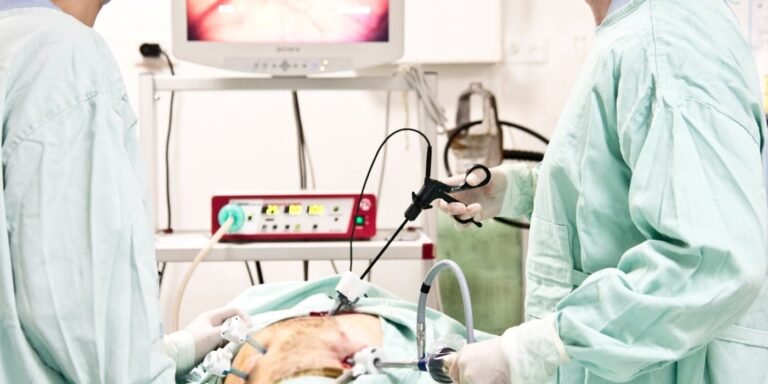
Minimally invasive neurosurgery uses specialized instruments, small incisions, endoscopes, and advanced imaging to treat brain and spine conditions while minimizing damage to surrounding healthy tissues. It may be used for selected conditions such as herniated discs, spinal nerve compression, brain tumors, and hydrocephalus.
Dr. Moin Islam evaluates each patient’s condition to determine whether minimally invasive techniques, endoscopic surgery, or a conventional surgical approach is most appropriate. The goal is to treat the underlying condition safely while reducing tissue disruption and supporting recovery whenever possible.
The suitability of minimally invasive surgery depends on the diagnosis, location of the problem, and the patient’s overall health. Not every condition can be treated using these techniques, and the recommended approach is tailored to each patient.
Warning Signs of a Minimally Invasive Neurosurgery
- Lumbar disc herniation (endoscopic discectomy / tubular microdiscectomy)
Spinal stenosis (endoscopic/tubular microdecompression)
- Brain tumors suitable for keyhole or supraorbital craniotomy
- Cervical disc disease (full endoscopic cervical discectomy)
- Pituitary tumors (endoscopic endonasal / transsphenoidal surgery)
- Hydrocephalus (endoscopic third ventriculostomy / neuroendoscopy)
Minimally Invasive vs Open Surgery — What's the Real Difference?
- Incision size: 8mm–3cm keyhole/endoscopic access vs 10–15cm open incision
- Blood loss: minimal (often under 50ml) vs. significantly more with open exposure
- Post-operative pain: markedly less, often needing only simple pain relief
- Hospital stay: often 24–48 hours vs. 5–7 days for equivalent open surgery
- Muscle & tissue damage: fibres split or bypassed vs. muscle cut and stripped from bone
- Infection risk: lower, due to smaller wound and shorter exposure time